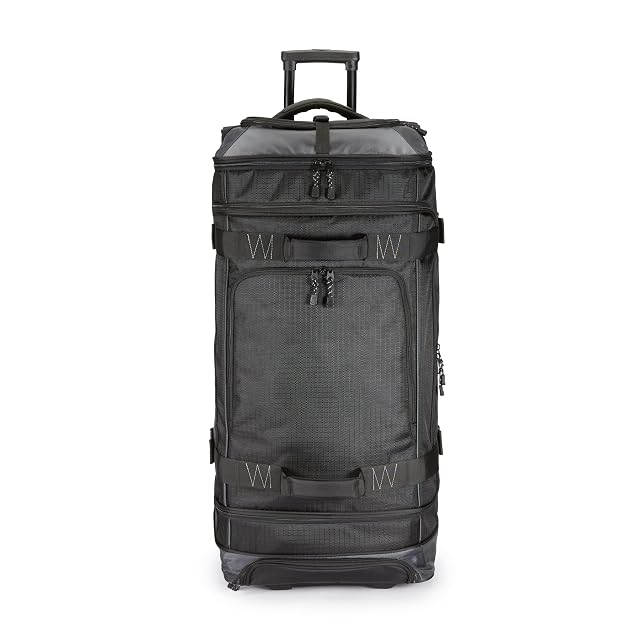
Amazon Basics 137L rolling duffel bag
137 L · wheeled · ripstop fabric
A large wheeled duffel at 137 liters for well below the price of a hardside case at a comparable capacity.
≈ $100
A convertible strap system decides how it is actually carried
A duffel's single biggest practical differentiator is how it converts between carry styles: a hand-carry-only design is fine for a short taxi transfer, but a bag that also converts to backpack straps stays comfortable across an airport terminal or between transit stops in a way a single top handle does not. We compare strap conversion options, base panel reinforcement (the point that wears fastest when a duffel is set down on rough ground repeatedly), and stated capacity against realistic packing for a short trip.
137 L · wheeled · ripstop fabric
A large wheeled duffel at 137 liters for well below the price of a hardside case at a comparable capacity.
≈ $100
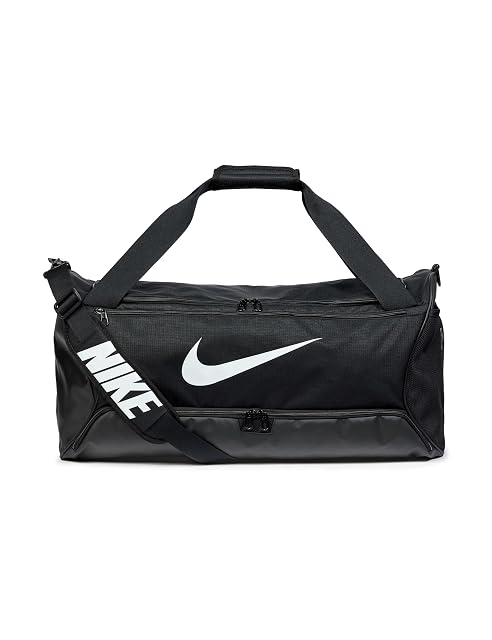
60 L · ventilated shoe pocket
A compact sports-style duffel at 60 liters, sized for a short trip or gym-bag use rather than extended travel.
≈ $47
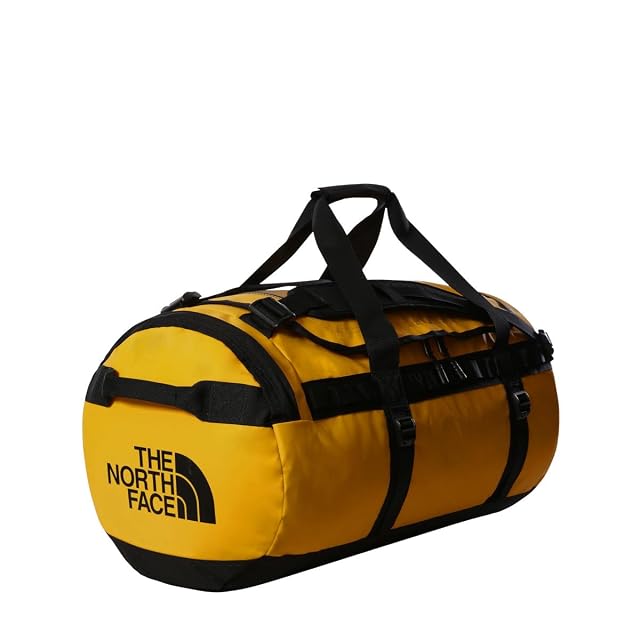
Reinforced base · convertible straps
A rugged, weather-resistant duffel with reinforced base panels and backpack straps that stow away, built for genuinely rough handling.
Best for: Genuinely rough handling — outdoor trips, wet ground, being tossed rather than gently placed.
A soft bag accepts shapes a case refuses and compresses when empty. Volume is its only useful measure.
A ninety-liter bag on one shoulder becomes impossible after five hundred meters. Stated backpack straps change the nature of the bag, not just its comfort.
A canvas sports bag soaks through in ten minutes and passes the water to the contents. The stated waterproof rating, or a coated fabric, decides what arrives dry.
If it respects the size limit once filled. Its flexibility also lets you compress it slightly to fit a sizer.
On large volumes they change everything: a full bag carried on the shoulder quickly becomes painful. Many models are convertible.
Very little: it hugs whatever is inside. Anything fragile must be protected within.
Folded, and sometimes inside its own pocket on models designed for it. That is its great advantage over a case.
No: the rigid base and the trolley remove the compressibility. You choose one or the other.
It resists a shower and is not waterproof at the seams and zips. Bags with welded seams exist for that.
Heavy at the bottom and in the center, so the bag does not deform as it hangs. An unbalanced bag pulls on the shoulder.
It is measured with the bag stretched, which never happens with folded clothes. Allow a fifth less in real use, and compare the three dimensions instead.
A soft bag hugs its contents without protecting them: anything fragile is wrapped inside. Empty, it folds and disappears — unless it has wheels, which remove precisely that compressibility.
There is no table here, and the reason is in the listings. The figure published most often across these 3 products is capacity, given by 2 of them — short of the four in five a column needs to compare rather than to display gaps. Each product page says what its own maker published.
Specifications: manufacturer sheets for luggage and travel gear and the matching Amazon product pages. Prices and availability: Keepa.