A concealed tracker, and a water rating in a form the IP code does not use
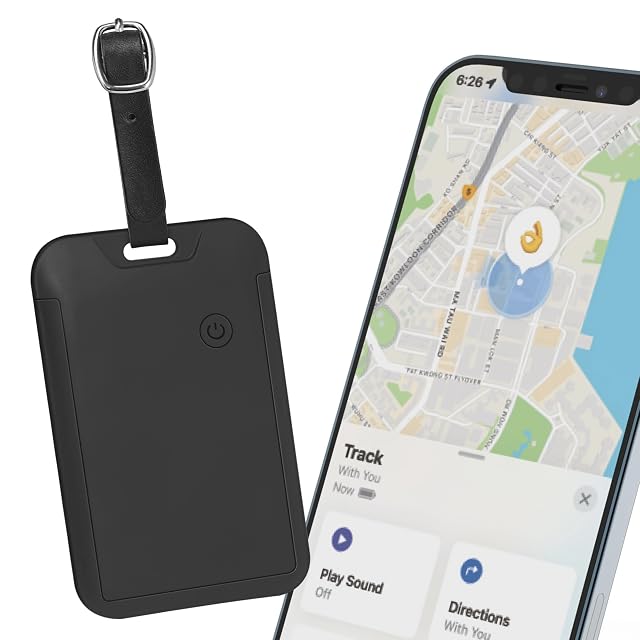
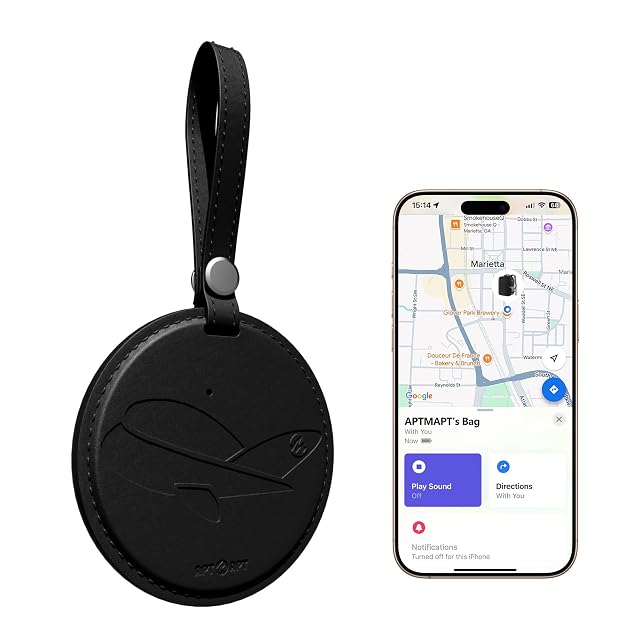
Travel Depot Hidden Find My luggage tag
The only tracker on this shelf sold on being hidden — which is what this shelf's buying tip asks for — under a water rating that is not a valid IP code.
This is the one device in the American half of this hub that is sold on being invisible, which is exactly what the buying tip at the top of this page asks for. A tracker is only useful while it is still attached, and the ones dangling from a handle are the first thing removed by anyone who wants the bag — so a concealed unit is the arrangement that survives an actual theft rather than merely reporting one. Four of the eight devices on this shelf are external tags or cards. This is the only one whose selling point is that you cannot see it.
The functions are the standard Apple set and the page describes them correctly: a position on the map from any Apple device, separation alerts when the bag is left behind, Lost Mode for recovery, and no Android support, stated outright in the first bullet rather than buried. Battery is about 90 minutes of magnetic wireless charging for up to six months, which means charging it twice a year and buying nothing.
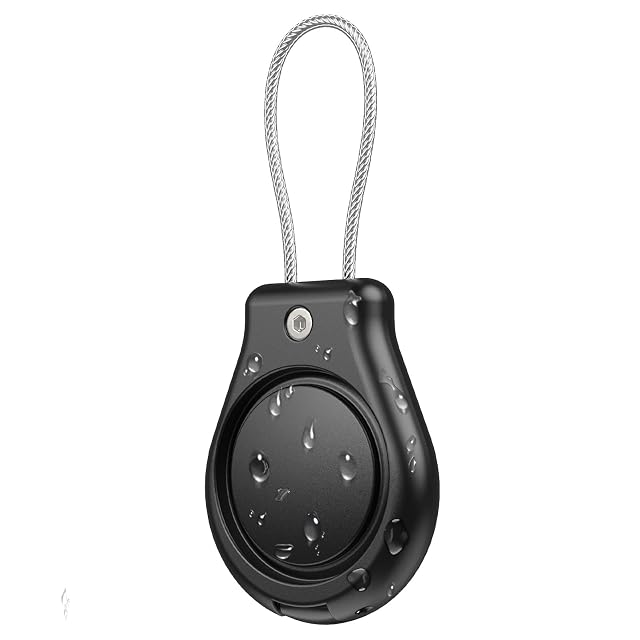
Two things undercut it. The first is the rating: “IPX65”. An IP code takes two characters after the letters — the first for dust, the second for water, with X standing in where a digit was never assessed — so IPX5 and IP65 are both valid and mean different things, and IPX65 is neither. Of the five devices on this shelf that publish a rating, this is the only one in a form that cannot be read, and the difference between the two likely readings is whether it keeps dust out.
The second is that nothing else is published. No dimension, no weight, no sound level, no Bluetooth range, and no description of how the tracker is concealed or where the tag is meant to sit. For a product whose entire argument is its form, the form is the part the page leaves out — and the leather tag at the top of this shelf publishes its three dimensions for less money.
Availability
Read on the day this page was built: $22 at the American Amazon shop.
Read from Keepa on the day this page was last revised; stock and price both move without notice.
Prices quoted in this text were read on 2026-10-07. The live price is at the top of the page.
What travelers ask
What does IPX65 mean?
Nothing, as written. An IP rating is two characters after the letters: the first for solids and dust, the second for liquids, with an X standing in where a digit was never assessed. So IPX5 means no dust rating and a rating against water jets; IP65 means dust-tight and rated against water jets. "IPX65" puts two digits after the X, which the system does not define — the listing most likely means one or the other, and those are different claims about dust. Five devices on this shelf publish a rating and this is the only one in a form that cannot be read.
Is a hidden tracker actually better?
It is what this shelf's buying tip asks for. A tracker only helps while it is still on the bag, and the ones that hang visibly from a handle are the ones a thief removes first — so a concealed unit, or one buried in a lining, is the arrangement that survives. Of the eight devices on this shelf, this is the only one sold on being hidden, and four are tags or cards designed to be seen. What the page does not do is explain how: there is no dimension, no description of the housing and nothing about where it is meant to sit.
How is the battery handled?
Wirelessly, about 90 minutes for up to six months — so twice a year, and nothing to buy. That is the middle of this shelf: the leather Spotminders tag claims 12 months per charge, the KeySmart lock uses a replaceable cell lasting four, and the cellular tracker here averages five days. What this page omits, where two other rechargeable devices on this shelf say it explicitly, is whether a charger is in the box.