Skip to content

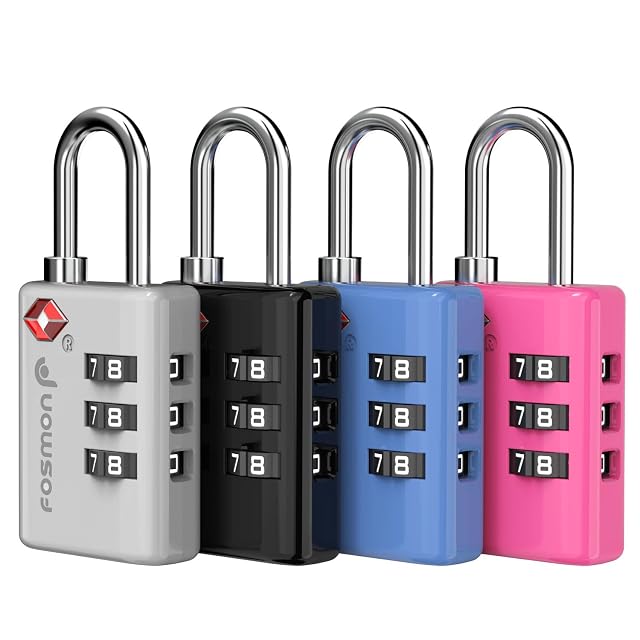
Fosmon Three-digit combination padlocks, 4-pack

A four-pack of conventional shackle padlocks whose own listing understates its combination count as "hundreds" where it is a thousand.

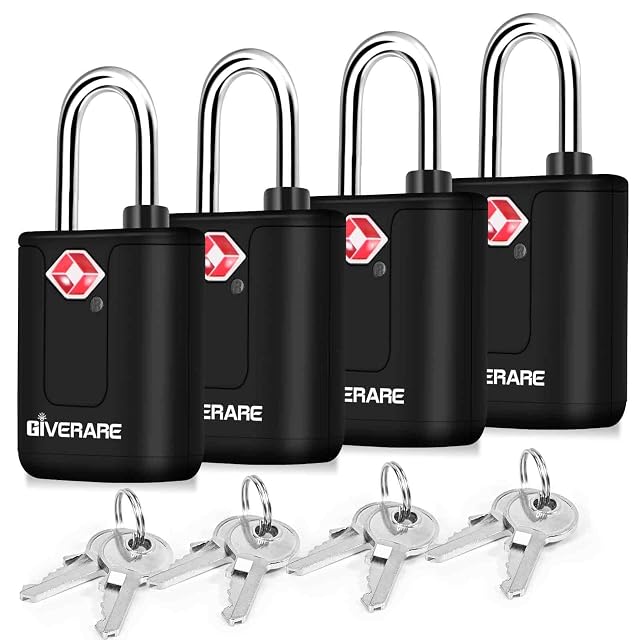
Four Fosmon TSA approved combination luggage padlocks

Fosmon Three-digit combination padlocks, 4-pack

A four-pack of conventional shackle padlocks whose own listing understates its combination count as "hundreds" where it is a thousand.

Amazon reference
B076JHYV2Z
EAN
0879565510527
  • Four locks in one purchase, each with its own settable code
  • A zinc alloy body with a hardened steel shackle, stated light and strong
  • Says "hundreds of possible combinations" for a three-digit lock, which has exactly 1,000

Best for: Four bags in a family, where the locks only have to close zips

≈ $21
Check price on Amazon
Specifications

Amazon reference
B076JHYV2Z
EAN
0879565510527

Four locks, each with its own settable code, in a zinc alloy body with a hardened steel shackle and a limited lifetime warranty. For a family with four bags that is a sensible purchase, and the warranty is a real commitment rather than a slogan.

The problem is the number. A three-digit dial has exactly one thousand combinations, and the listing describes it as “hundreds of possible combinations, making it harder to crack” — which understates its own lock by a factor of between three and ten. It is a strange error to make in the direction of weakness, and it matters because the code length is the only security specification a luggage lock has. Two other listings on this shelf get the arithmetic right, one of them explicitly noting that a four-digit lock is ten times harder.

What is missing is every dimension. No shackle diameter, no shackle length, no body width — the three figures that decide whether the lock physically fits the zip pulls on your case. The Master Lock on this shelf publishes all three for a fifth of the price. And as on all eight American listings here, the words are “TSA accepted” and “TSA approved” rather than a confirmation of the red-diamond marking this hub’s buying tip asks you to look for.

Availability

Read on the day this page was built: $21 at the American Amazon shop.

Read from Keepa on the day this page was last revised; stock and price both move without notice.

Prices quoted in this text were read on 2026-10-07. The live price is at the top of the page.

What travelers ask

How many combinations does it have?

A thousand. Three dials of ten digits is ten times ten times ten, and the listing says "hundreds of possible combinations" — which understates its own product by a factor of between three and ten. Two other listings on this shelf state the figure correctly: one says up to 1,000 for three digits, and another says four digits is ten times harder than three. On a lock whose entire security claim is the length of its code, the number is the specification.

What is not published?

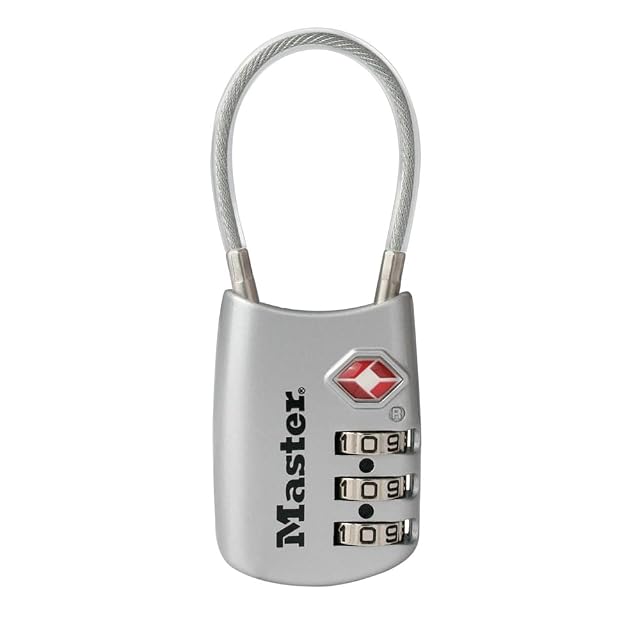
The shackle. There is no diameter, no length and no body dimension anywhere on the page — and those are the figures that decide whether a lock will pass through a pair of zip pulls at all. The Master Lock listing on this shelf publishes a 30 mm (1.18 in) body, a 3 mm (0.12 in) shackle and a 38 mm (1.50 in) length for a fifth of the price. Here the shackle is "hardened steel" and nothing more.

Rigid shackle or cable?

This is a rigid shackle, which is stronger and less adaptable. A cable threads through small zip holes, awkward pulls and the handles of more than one bag; a rigid shackle closes a standard pair of pulls and nothing else. This hub compares the two directly, and of seven American locks on this shelf three are cable and four are shackle.

All tsa locks