Skip to content

The best cabin luggage for 2026

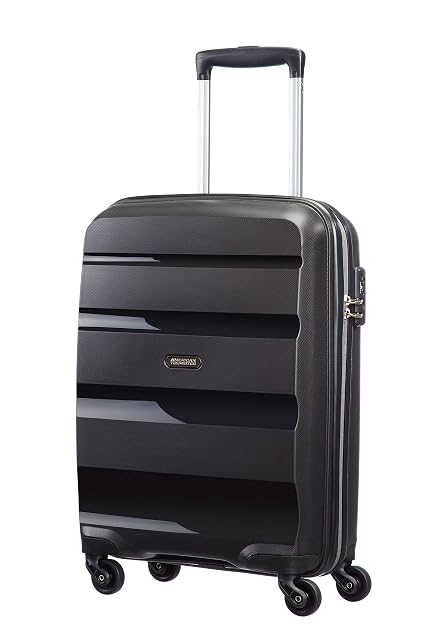
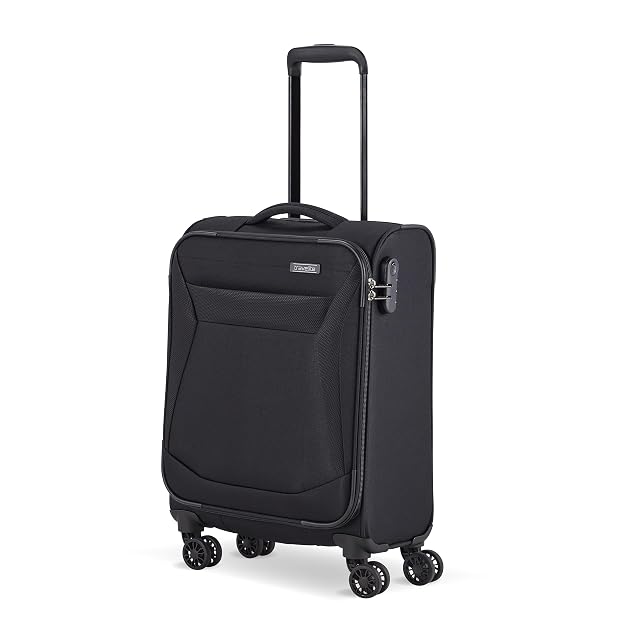
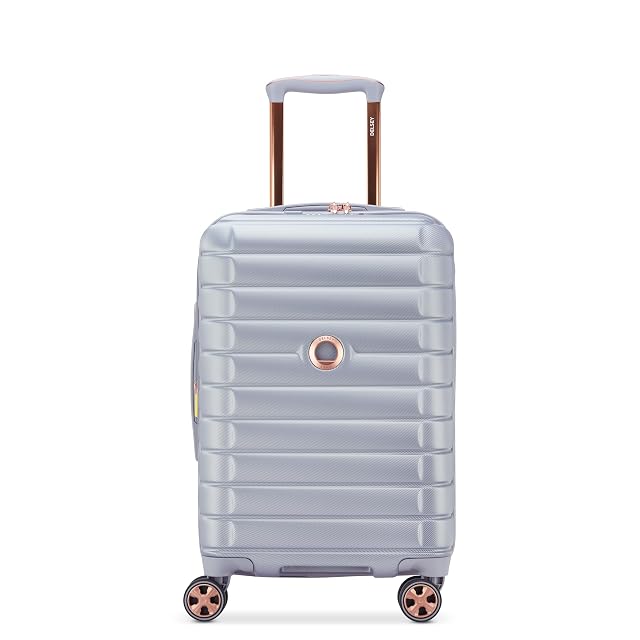
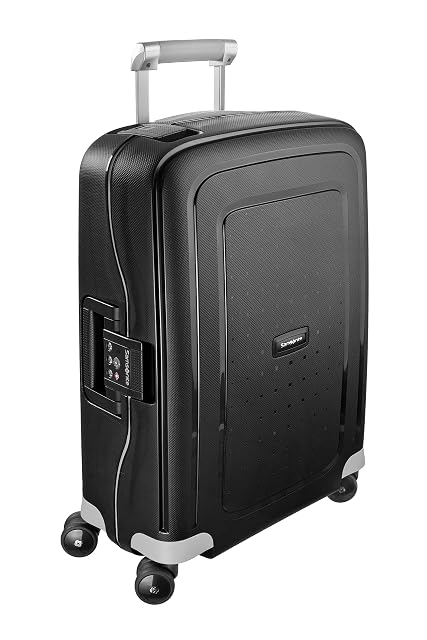
Cabin size is set by the airline, not by a "cabin approved" label — the four cases below cover the trade-offs that actually matter once that's understood: shell material, wheel count, and weight before anything is even packed.

The single biggest mistake in this category is treating “cabin approved” as a guarantee rather than a starting point — airlines publish their own maximum dimensions, and budget carriers in particular often enforce tighter sizers than the more generous international norm most cases are designed against.

Past that, the real differences between the cases below come down to shell material and wheel count: a polypropylene shell like Samsonite’s S’Cure flexes under impact where cheaper ABS can crack, and four spinner wheels roll and swivel more easily through a crowded terminal than two fixed wheels.

What we recommend, and why

Questions people actually ask

Is a more expensive cabin case always worth it?

Not for occasional travel. The extra cost mainly buys a more impact-resistant shell and a handle built for sustained heavy use — real advantages for frequent flyers, less important for a case used a handful of times a year.

Should I buy the lightest case I can find?

Only if weight is the binding constraint. A lighter shell is usually thinner and less impact-resistant, so it's worth checking whether the actual limitation is a strict cabin weight allowance or simply personal preference before optimising for weight alone.

The tool we use ourselves

Chosen your tool? Now buy it at the right price.

Hardside cases and travel backpacks swing by thirty euros or more across the year, and the biggest "discounts" often land at prices the same model sold for six weeks earlier. UniverTrack tracks the real price history across retailers, spots fake reductions, and alerts you when it is genuinely the moment to buy.

Real price historyBuy-now alertsAI buying assistant
Try free for 14 days →
No commitment · Cancel in one click · 5 languages