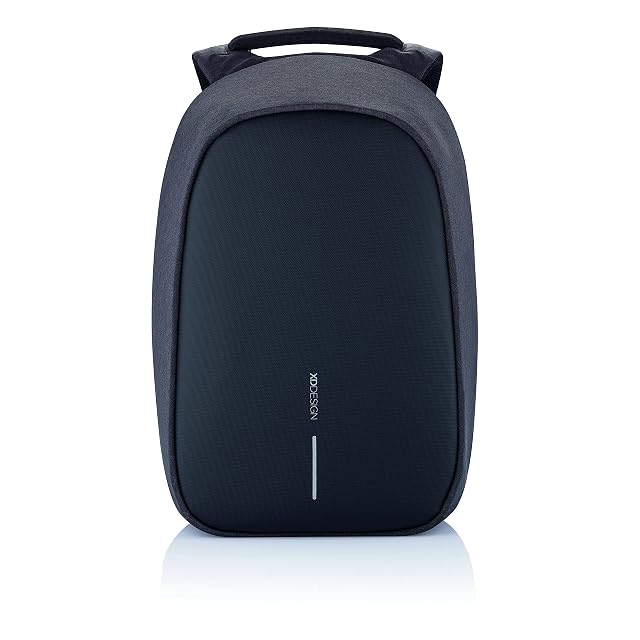
XD Design Bobby Hero Regular anti-theft backpack
Lockable zips · hidden back pocket
A structured anti-theft backpack with lockable main-compartment zips, a hidden back-panel pocket, and a built-in USB charging port.
≈ $165
Buying guide
"Anti-theft" covers a wide range of actual construction, from genuinely reinforced panelling to little more than a hidden zip pocket. These three are compared on specific, checkable features rather than the marketing term.
The most useful anti-theft feature is often the least visible: a pocket built into the back panel, against the wearer’s body, is genuinely difficult to access in a crowd — a real design choice worth more than a hidden pocket on an outer face that only looks secure.
Treat “slash-resistant” and “cut-proof” as different claims. A specific stated material — a wire-mesh layer, for instance — is worth more than the phrase alone, which has become common marketing language regardless of actual construction.
Where the real risk is, and where hidden zips against your back genuinely help.
Opportunistic theft rather than planned theft. Making a bag slow to open is usually enough.
A strap that can be looped around a chair leg addresses the classic snatch from a table.
Here the anti-theft features are mostly friction, and a conventional bag may serve better.
| The risk | What helps | What does not |
|---|---|---|
| Opportunistic opening | Hidden zips against the back | A very large bag |
| Snatching from a table | A strap looped to a chair | Anything inside the bag |
| Slashing | Cut-resistant panels | Zip locks alone |
| Determined theft | Not leaving it unattended | Any bag feature |
Anti-theft bags have more moving parts than ordinary ones, and it is those parts that fail. Locking zip pulls, clips and cable-reinforced straps all have mechanisms, and mechanisms jam with grit.
A bag is one part of traveling safely, and behavior is the larger part.
Lockable zips · hidden back pocket
A structured anti-theft backpack with lockable main-compartment zips, a hidden back-panel pocket, and a built-in USB charging port.
≈ $165
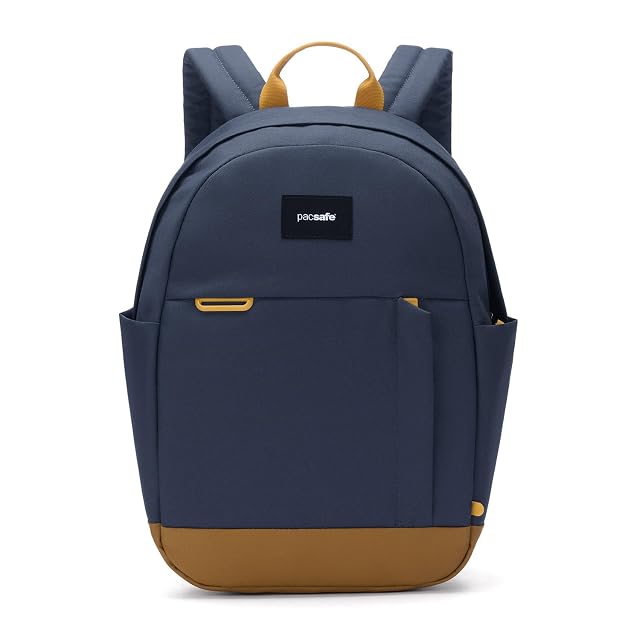
15 L · slash-resistant straps
A 15-liter daypack with a slash-resistant strap and panel construction stated by the manufacturer, at a mid-range price point.
≈ $105
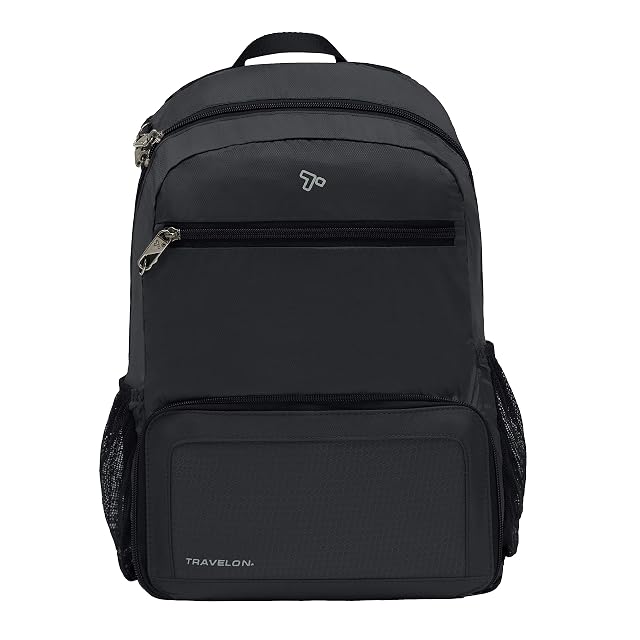
Packable · budget
A packable anti-theft daypack that folds into its own pouch, aimed at travelers who want a second bag for day trips without permanently allocating suitcase space.
≈ $46
They mainly deter quick, opportunistic theft — a lockable zip pull or a hidden pocket adds friction that discourages a casual attempt, but none of these features are a substitute for basic vigilance in a genuinely high-risk environment.
It depends on the use case. A packable bag like the Travelon suits an occasional second bag for a day trip; a structured bag like the Bobby Hero or Pacsafe Go suits daily carry where the security features get used every day.
They deter opportunistic opening, which is the common risk. They do not stop a determined thief, and how you carry the bag matters more than its features.
Main zips positioned against your back. It is simple, weighs nothing and addresses the commonest way bags are opened in crowds.
They address a real but rarer threat and they add weight and cost. Whether that trade is right depends on where you travel.
They block contactless reading of cards and passports. The practical value is debated, though the feature costs almost nothing to have.
Somewhat, by design: anything that slows a thief slows you. The useful models keep that friction low enough that you still use the features.
Split cards and cash, wear the bag in front in crowds, never leave it unattended, and keep copies of documents somewhere separate.
Biggest strength: Lockable zip pulls clip to a fixed point on the main compartment
Biggest weakness: Structured shape is bulkier than a standard soft-sided daypack
Biggest strength: Slash-resistant strap material is a stated construction detail, not just marketing language
Biggest weakness: Confirmed for sale on FR, IT and ES at review time; not confirmed on Germany's Amazon under this exact listing
Biggest strength: Packs down into its own small pouch when not in use
Biggest weakness: Thinner fabric than the structured XD Design Bobby Hero
$32 – $46
3 models
$47 – $88
3 models
$105 – $165
3 models
Straps, locks and spares from the same aisle, at the price we recorded. Check they fit the case you pick before ordering: it depends on the shell and the part number, which the listing states.
Case against case, where that comparison already exists on this site.
The cases listed come from the catalog of this site. Specifications are the published ones, from the maker and from Amazon; prices are the Keepa figure on the date below, and both shift. Ranking follows declared specifications, the balance of stated strengths and stated limits, and price. Nothing here has been packed or flown by us, and no page claims otherwise.
Last checked on
Prices quoted in these summaries are dated readings. The live price is shown next to each product.
Hardside cases and travel backpacks swing by thirty dollars or more across the year, and the biggest "discounts" often land at prices the same model sold for six weeks earlier. UniverTrack tracks the real price history across retailers, spots fake reductions, and alerts you when it is genuinely the moment to buy.