Skip to content

The best trekking backpack for 2026

Past roughly 50 liters a pack needs to be carried on the hips, not the shoulders — every pick here is judged first on hip-belt design, because that's what decides whether a multi-day carry is comfortable or painful.

A well-padded, correctly adjusted hip belt can transfer 70-80% of a loaded pack’s weight off the shoulders, which is the single specification that separates a pack built for genuine multi-day trekking from one that merely looks the part in a shop window.

Beyond the hip belt, the differences between these four packs are secondary: front-panel access versus pure top-loading, an included rain cover versus a separate purchase, a certified manufacturing standard versus none stated. Worth reading the individual reviews for the detail that matters most to a specific trip.

Which case fits your trips?

You carry multi-day loads
The hip belt and back length are the whole decision; capacity comes second.
You are between sizes
Try both back lengths loaded. A pack that fits carries a heavy load better than a better pack that does not.
You hike in wet conditions
A rain cover and a dry bag inside, because no pack fabric stays waterproof indefinitely.
You want one pack for travel too
A trekking pack loads from the top and lives badly in cities. They are different tools.

Picking by the journey

Multi-day hiking

The intended use. Load carriage, weather resistance and access on the move decide everything.

Expedition loads

Where frame stiffness and hip belt quality matter most, because the load is beyond what shoulders can take.

Travel with camping

Possible, though a top-loading pack is awkward in hostels and airports.

Occasional heavy carries

A large pack used rarely; here fit still matters, because an ill-fitting pack under load hurts immediately.

What counts once the case is full

Back length and fit
The pack must match your torso length, not your height. Everything else about load carriage follows from this and nothing compensates for getting it wrong.
The hip belt
Most of a heavy load should sit on your hips. A hip belt that is the wrong size or poorly padded puts that weight back on your shoulders.
Frame and load transfer
The frame is what moves weight from your shoulders to your hips. A soft pack cannot do it, whatever its capacity.
Access and organization
Top loading is traditional and simple; a side or front zip lets you reach the bottom without unpacking. It matters more than it sounds.
Weather protection
A rain cover, and dry bags inside for anything that must stay dry. Pack fabrics wet out, and seams are never fully sealed.

Which figure for which journey

Your tripWhat to prioritizeWhat to accept
Multi-day hikingFit and hip beltWeight of the pack itself
Heavy loadsFrame stiffnessLess comfortable when light
Wet climatesRain cover and dry bagsNothing is fully waterproof
Also for travelA side or front zipStill awkward in cities

The mistakes travelers make

Buying on capacity
Liters do not carry weight, the harness does. A poorly fitted large pack is worse in every way than a well-fitted smaller one.
Fitting the pack empty
A pack behaves completely differently loaded. Trying it with weight in it is the only meaningful test.
Carrying the load on the shoulders
The hip belt should take most of the weight. Straps pulled tight with a loose belt is the commonest cause of a painful walk.
Trusting the pack to be waterproof
Fabrics wet out and seams leak. A rain cover plus dry bags for sleeping gear and electronics is the standard approach for a reason.

By the traveler you are

The multi-day hiker
A fitted pack with a proper hip belt, chosen on fit before anything printed on the label.
The occasional heavy carrier
Fit still first, and a frame that can transfer the load when the pack is full.
The traveler who camps
A hybrid with a front zip, accepting compromises at both ends.

Wheels, zips and how long a case lasts

A trekking pack is destroyed by grit, damp and sunlight. Grit in zips and buckles ends them, damp storage rots the coatings, and prolonged UV weakens fabric in ways that only show when something tears under load.

  • Rinse and dry the pack after coastal or dusty trips; salt and grit both attack it.
  • Store dry, loose and out of direct sunlight, never compressed in a stuff sack.
  • Check buckles and stitching at the hip belt and shoulder anchors before a trip.
  • Wash by hand and sparingly; detergents strip water-repellent coatings.

Safety

A heavy pack changes your balance and loads your back for hours.

  • Load the heaviest items close to your back and near shoulder height for stability.
  • Use the hip belt properly; carrying a heavy load on the shoulders causes real injury.
  • Lift the pack onto a knee first rather than swinging it up one-handed.
  • Keep the pack's weight within what you can carry over the terrain you have chosen, not the terrain you hope for.

The selection, and the reasons

What travelers ask

Do I need a 65L pack, or is 50L enough?

50-55L covers most multi-day trips without a full camping kit. 65L and above suits genuinely extended treks carrying shelter and cooking equipment — buying more capacity than a trip needs just adds weight that has to be carried regardless of what's packed inside it.

How important is an adjustable back system?

Very, if the pack will be used by more than one person or replaced infrequently. A correctly adjusted torso length is what lets the hip belt do its job — a pack sized wrong for torso length transfers load poorly no matter how well-padded the belt is.

What capacity trekking pack do I need?

Enough for your kit and no more, because an oversized pack invites overpacking. Fit matters far more than the number of liters.

How do I get the fit right?

Match the pack to your torso length, not your height, and try it loaded. Many packs come in back lengths and the wrong one cannot be adjusted into comfort.

How much weight should the hip belt take?

Most of it. If your shoulders are doing the work, the belt is misadjusted or the pack does not fit, and a long walk will make that obvious.

Are trekking packs waterproof?

No. Fabrics wet out and seams leak, which is why rain covers exist and why dry bags for sleeping gear and electronics are standard.

Can I use it as a travel bag?

You can, but top loading is awkward in hostels and airports, and dangling straps get torn on conveyors. A travel pack is a different design.

Top loading or a front zip?

Top loading is simpler and lighter; a front or side zip lets you reach the bottom without unpacking. That access matters more than it sounds on a long trip.

Each case, and the trip it was packed for

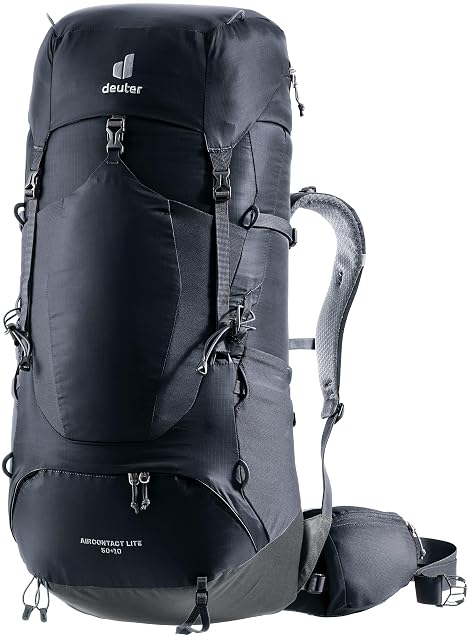
Deuter Aircontact Lite 50+10 · $230

Packed for: Multi-day trekking where hip-belt load transfer matters more than minimizing pack weight.

Biggest strength: Adjustable back length fits a range of torso sizes without buying a separate model

Biggest weakness: Heavier empty than a minimalist trekking pack at the same capacity

Read the full review →

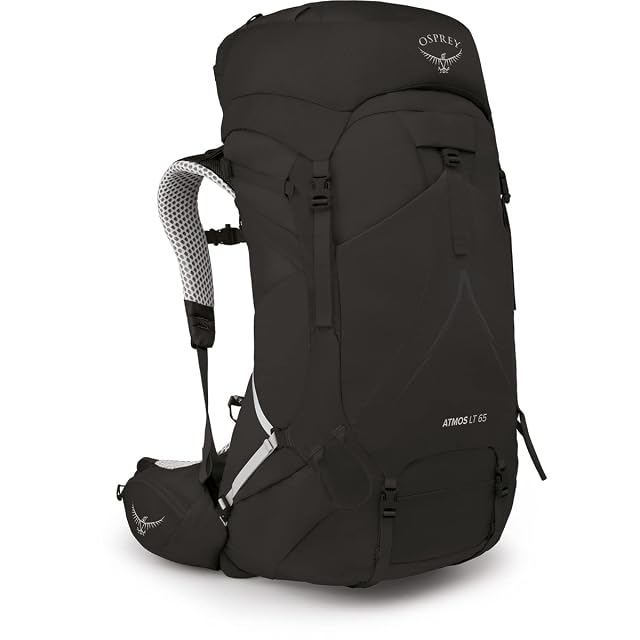
Osprey Atmos AG 65 · $310

Packed for: Extended, multi-day treks where back ventilation and fit precision justify the higher price.

Biggest strength: Suspended mesh back panel improves airflow against the back on long carries

Biggest weakness: Higher price than the Deuter or Tatonka alternatives in this hub

Read the full review →

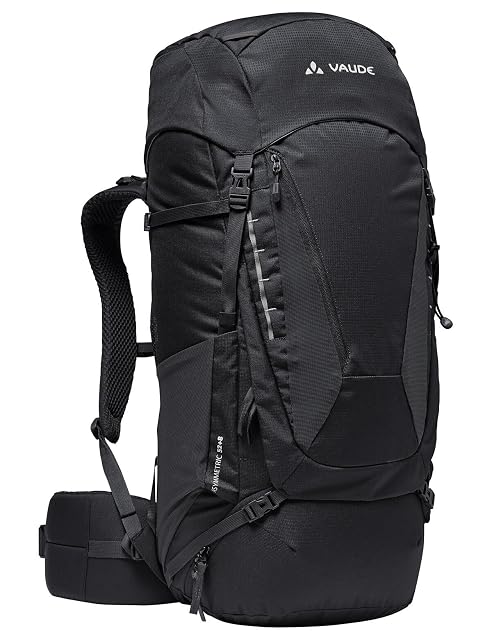
Vaude Asymmetric 52+8

Biggest strength: Bluesign-certified materials and manufacturing, a genuine third-party standard rather than a self-declared claim

Biggest weakness: Less widely available outside German-speaking and Alpine markets

Read the full review →

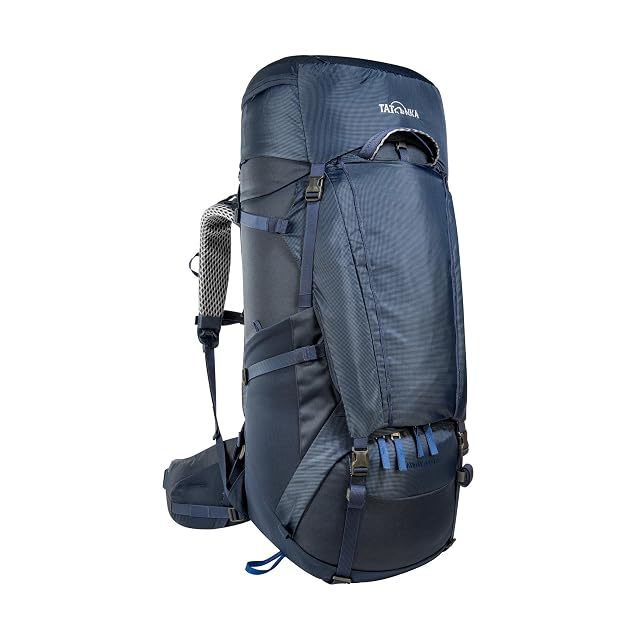
Tatonka Yukon 60+10 · $580

Biggest strength: Front-panel access reaches the bottom of the main compartment without full unpacking

Biggest weakness: Highest confirmed price among the trekking packs in this hub

Read the full review →

What to pack with it

Straps, locks and spares from the same aisle, at the price we recorded. Check they fit the case you pick before ordering: it depends on the shell and the part number, which the listing states.

Short answer

Pairings that help you choose

Case against case, where that comparison already exists on this site.

How this page came together

The cases listed come from the catalog of this site. Specifications are the published ones, from the maker and from Amazon; prices are the Keepa figure on the date below, and both shift. Ranking follows declared specifications, the balance of stated strengths and stated limits, and price. Nothing here has been packed or flown by us, and no page claims otherwise.

Last checked on

Prices quoted in these summaries are dated readings. The live price is shown next to each product.

The tool we use ourselves

Chosen your tool? Now buy it at the right price.

Hardside cases and travel backpacks swing by thirty dollars or more across the year, and the biggest "discounts" often land at prices the same model sold for six weeks earlier. UniverTrack tracks the real price history across retailers, spots fake reductions, and alerts you when it is genuinely the moment to buy.

Real price historyBuy-now alertsAI buying assistant
Try free for 14 days →
No commitment · Cancel in one click · 5 languages