Buying guide
A first hand-luggage-only travel kit
Flying hand-luggage-only comes down to four things working together: a case or backpack sized correctly, compression to fit more inside it, a lock that won't get cut off, and knowing the liquids rule before packing.
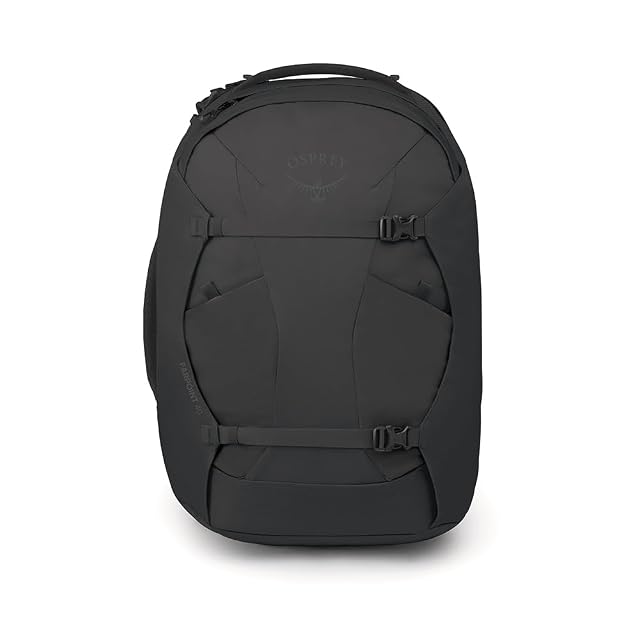
Start with the bag itself, sized against the specific airline being flown rather than a generic “international carry-on” claim. From there, compression packing cubes are what make a genuinely tight cabin allowance workable — the second zip that forces air out after packing is the difference between fitting a week’s clothes in and not.
A TSA-recognised lock and a compliant clear liquids bag round out the kit: neither is expensive, and both solve a specific, checkable problem rather than a vague one.
Questions people actually ask
What's the single most common mistake with hand-luggage-only travel?
Assuming a "cabin approved" label guarantees acceptance on every airline. Budget carriers in particular enforce tighter sizers than the more generous international norm — checking the specific airline's published dimensions before the trip avoids a gate-side surprise.
Is a backpack or a wheeled case better for this?
A suitcase-style backpack like the Farpoint suits airports with a lot of walking and uneven terrain; a wheeled cabin case suits smooth terminal floors and a lighter physical carry. Neither is objectively better — it depends on the airports actually being used.