A dead battery still leaves you a working lock
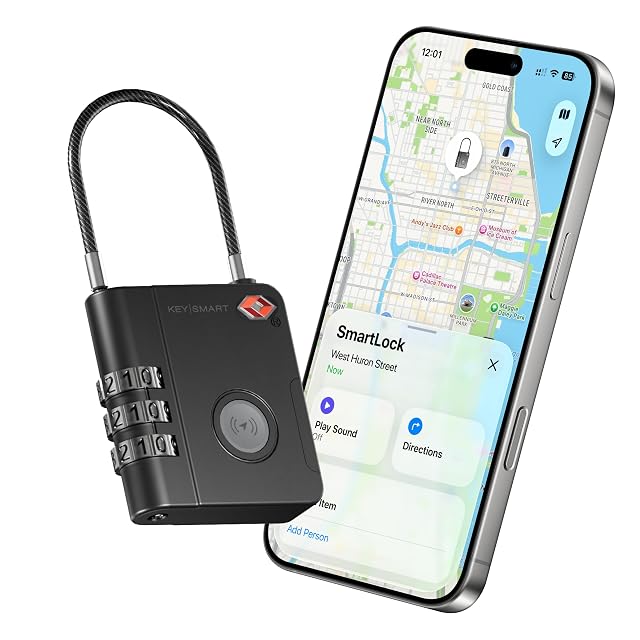
KeySmart KS520-BLK SmartLock with Find My
A lock and a tracker in one body, with the best failure mode on this shelf — and a title that calls Apple's Bluetooth network GPS.
One sentence on this listing is better than anything else on the shelf: the battery is needed only for the Find My connection, and if it runs out the lock still works by hand. For a device whose job is to keep your suitcase shut, that is the whole question — a smart lock that stops being a lock when a cell goes flat is worse than a plain one, and this is the only page here to address it. The cell is replaceable rather than sealed, which means the device outlives its first battery, and four months is short enough that it will need to.
The rest is a competent pairing. An alloy steel body stated to take baggage handling, Bluetooth Play Sound for the same room, the Apple network for another country, and alerts if the bag moves or is left behind. One object instead of two.
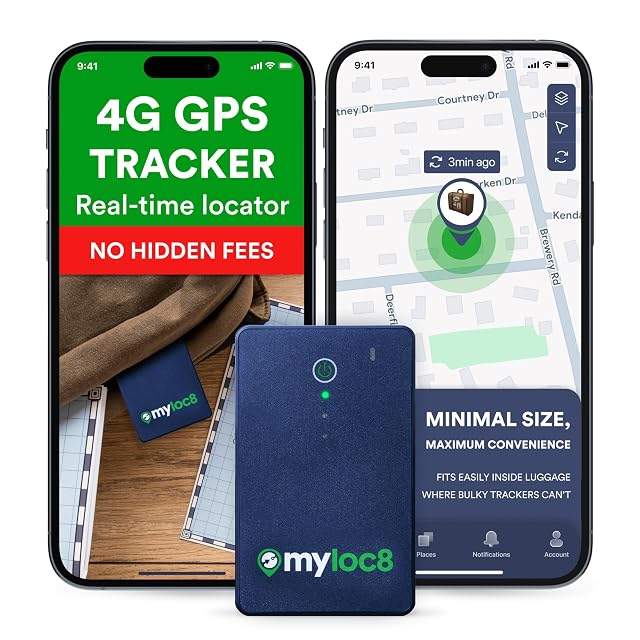
The language is where it goes wrong. The title calls this a GPS tracker and the second bullet says you locate the luggage “via GPS with the help of the global Apple Find My network”. Those are two different technologies. Find My works by broadcasting a Bluetooth identifier that any passing iPhone reports along with its own position — so it needs crowds, which is why it is excellent in a terminal and useless in open country. GPS is a satellite fix the device takes itself, which costs power and, in practice, a data plan to send home: the one genuine GPS device on this shelf says “Subscription Required” in its own title. Calling a Bluetooth relay GPS makes the weaker claim sound like the stronger one.
Two smaller points. IPX3 is the lowest water rating on this shelf — rated against spray, not against rain for an hour on a trolley, and certainly not immersion. And the lock is sold as “TSA Approved and Compliant” without confirming the red-diamond marking, which is what this hub’s own lock shelf asks you to look for, and where a plain combination lock costs a fifth of this.
Availability
Read on the day this page was built: $25 at the American Amazon shop.
Read from Keepa on the day this page was last revised; stock and price both move without notice.
Prices quoted in this text were read on 2026-10-07. The live price is at the top of the page.
What travelers ask
Is it a GPS tracker?
No, and the page says both things. The title calls it a GPS tracker; the second bullet says you locate the luggage "via GPS with the help of the global Apple Find My network". Find My does not use GPS: the lock broadcasts a Bluetooth identifier, any passing iPhone that hears it reports its own position, and you see that position. It needs other people's phones nearby, which is why an airport is the best place for it and an empty hillside the worst. One device on this shelf does use GPS — a cellular 4G unit — and its own title says "Subscription Required", which is the honest cost of real GPS.
What happens when the battery dies?
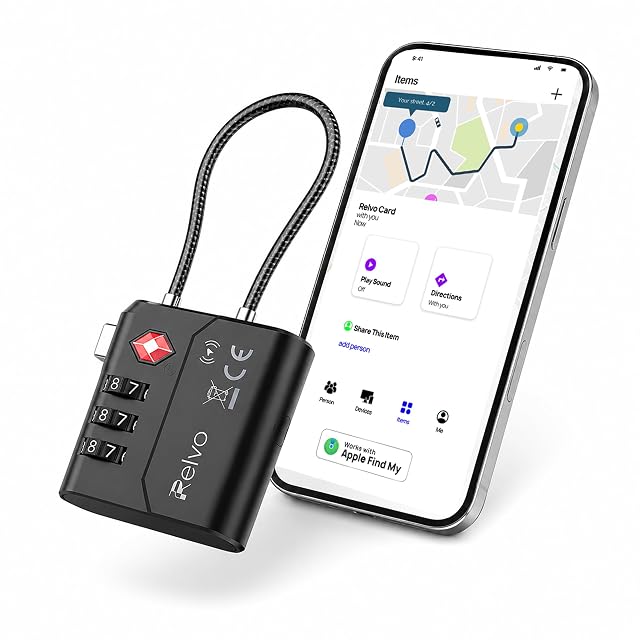
You still have a lock, and this is the best sentence on the page: the battery is needed only for the Find My connection, and the lock continues to work manually without it. On a device that locks your suitcase, that is the failure mode that matters — a smart lock that becomes a brick when a cell runs flat is worse than a dumb one. The other smart lock on this shelf is rechargeable over USB-C and does not say what happens when it is empty.
Is it worth it against a lock plus a separate tracker?
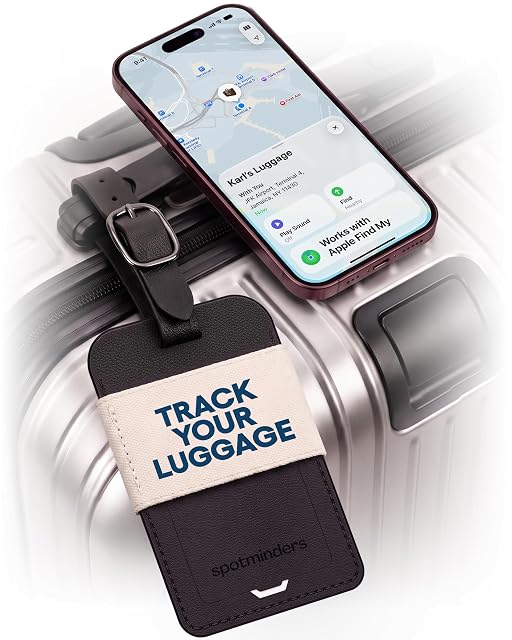
Compare the prices on this hub's own shelves. A plain TSA combination lock on the lock shelf here runs from about six dollars to twenty-five for a four-pack; the cheapest Find My tag on this shelf is under ten. Bought separately you would spend less, carry two things, and be free to hide the tracker inside the case — which is what this shelf's buying tip recommends. Bought together you get one object, one thing to forget, and a tracker that is necessarily on the outside of the bag, attached to the zip.